The lake that does not freeze
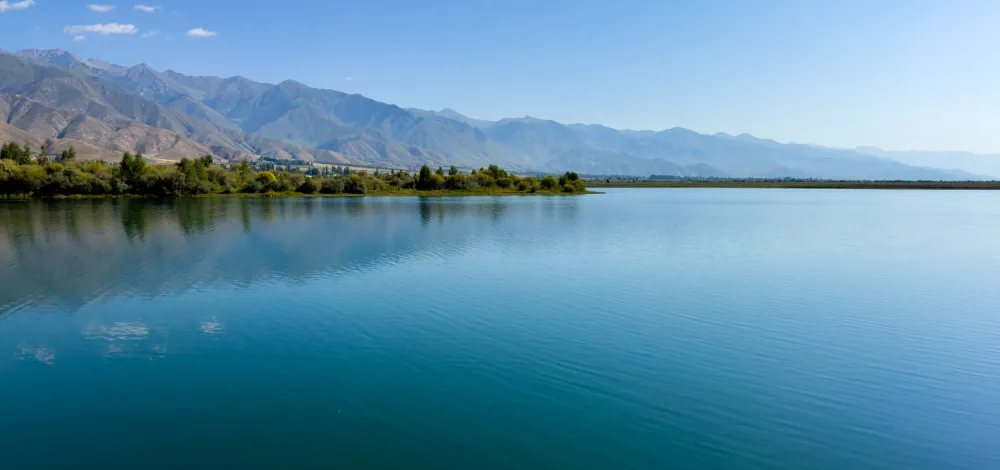
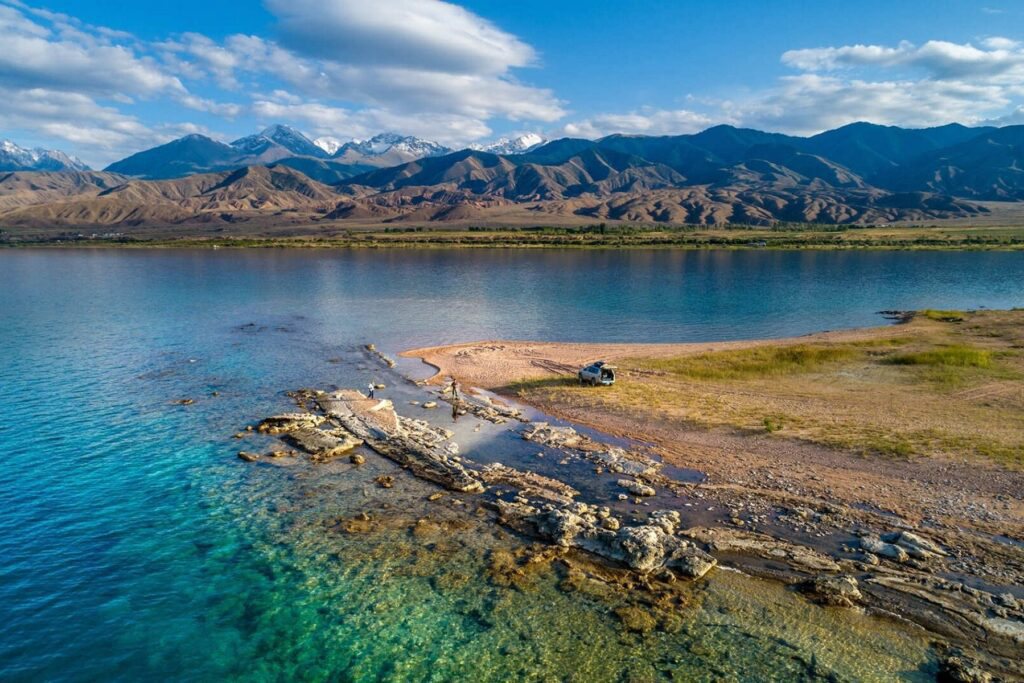
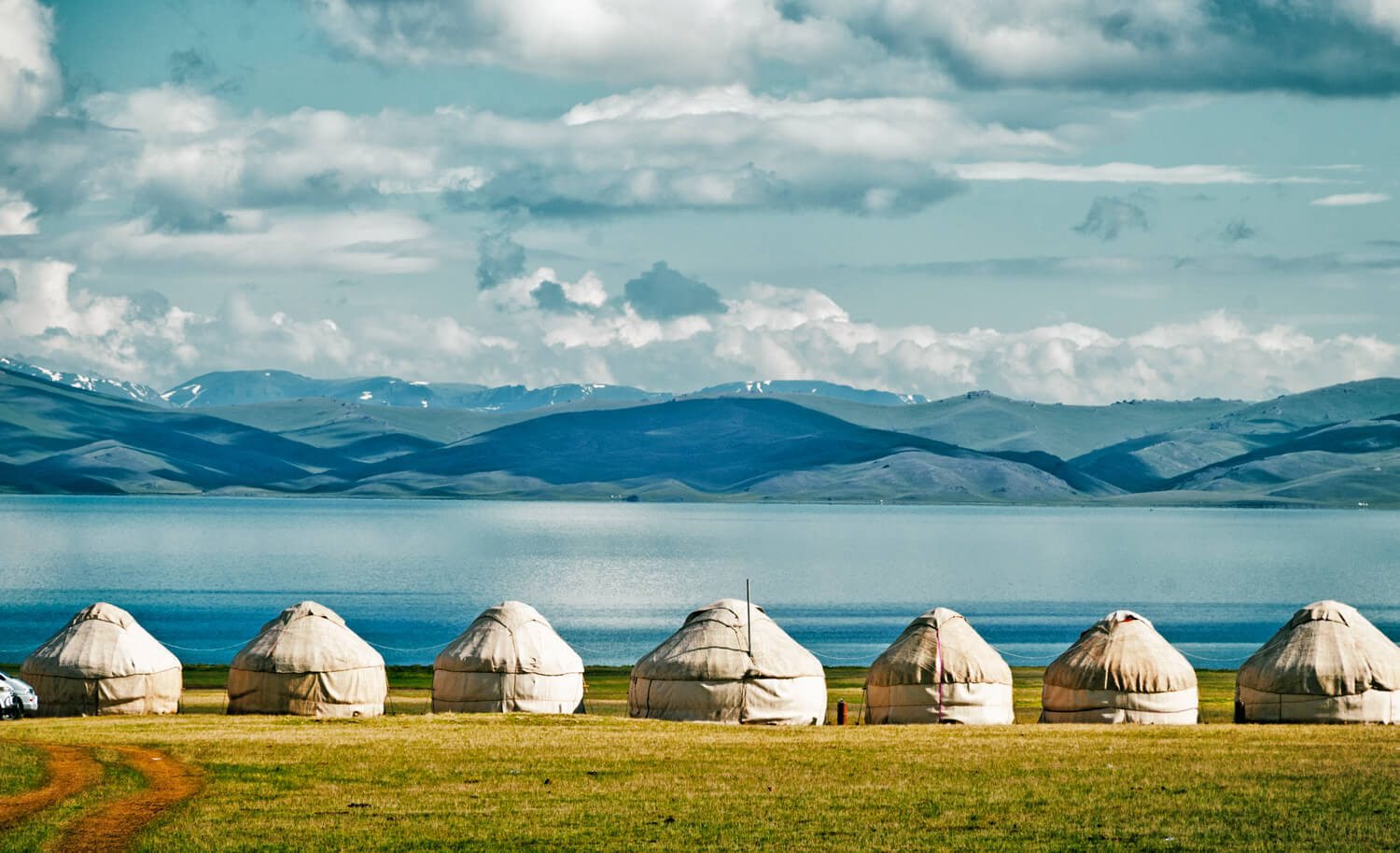
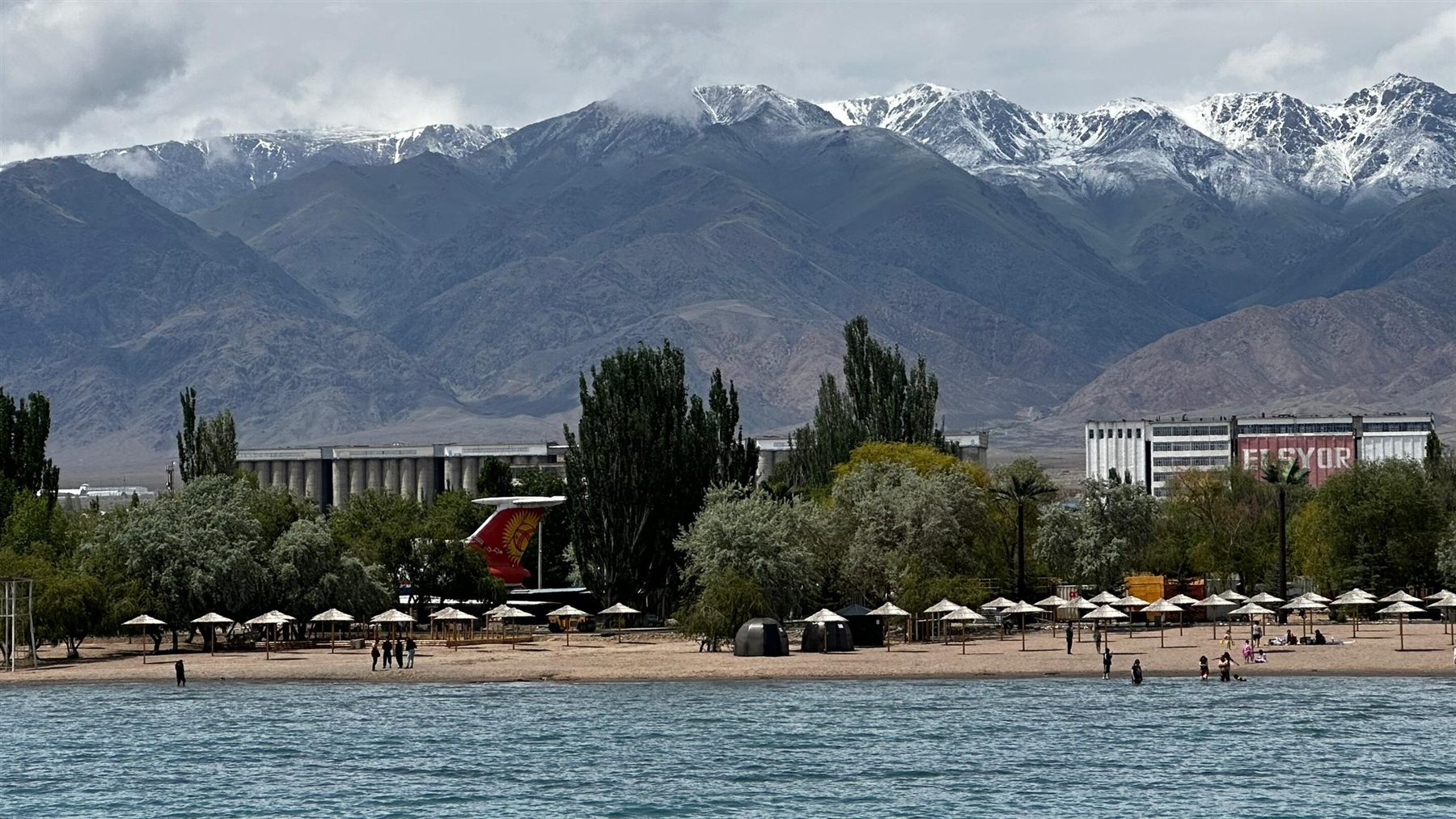
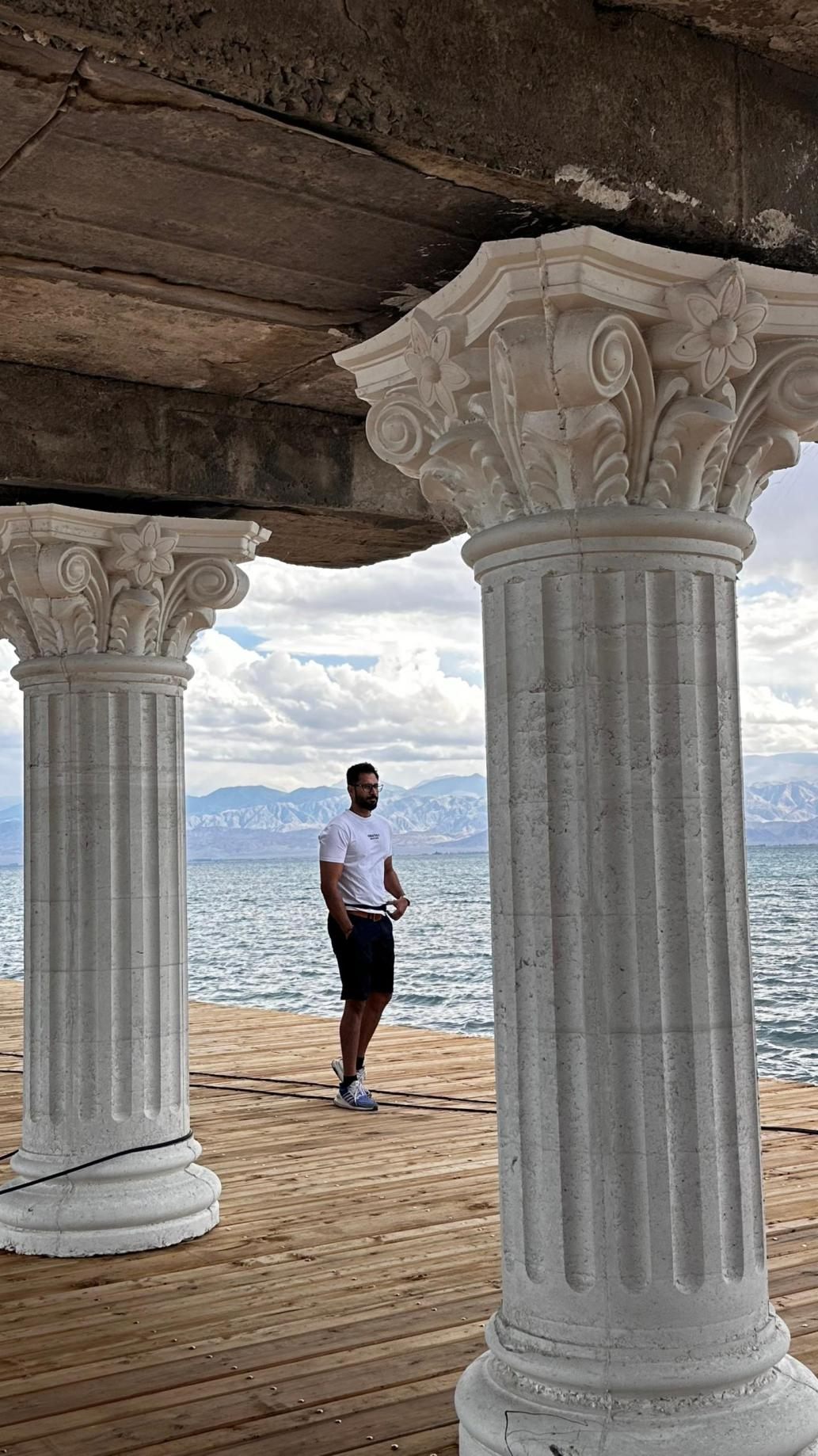
Issyk-Kul lies at 1 609 metres between two ranges of the Tien Shan, and by volume it is second only to Titicaca among the world’s mountain lakes. The name means “hot lake”: at an altitude where everything else freezes solid, this water stays open all winter. Two things explain it — a depth of up to 668 metres, and a light salinity of around six grams per litre.
It is an endorheic lake. More than a hundred rivers run into it and none runs out, which is where both the salt and the mineral content come from.
Kok-Moinok canyons
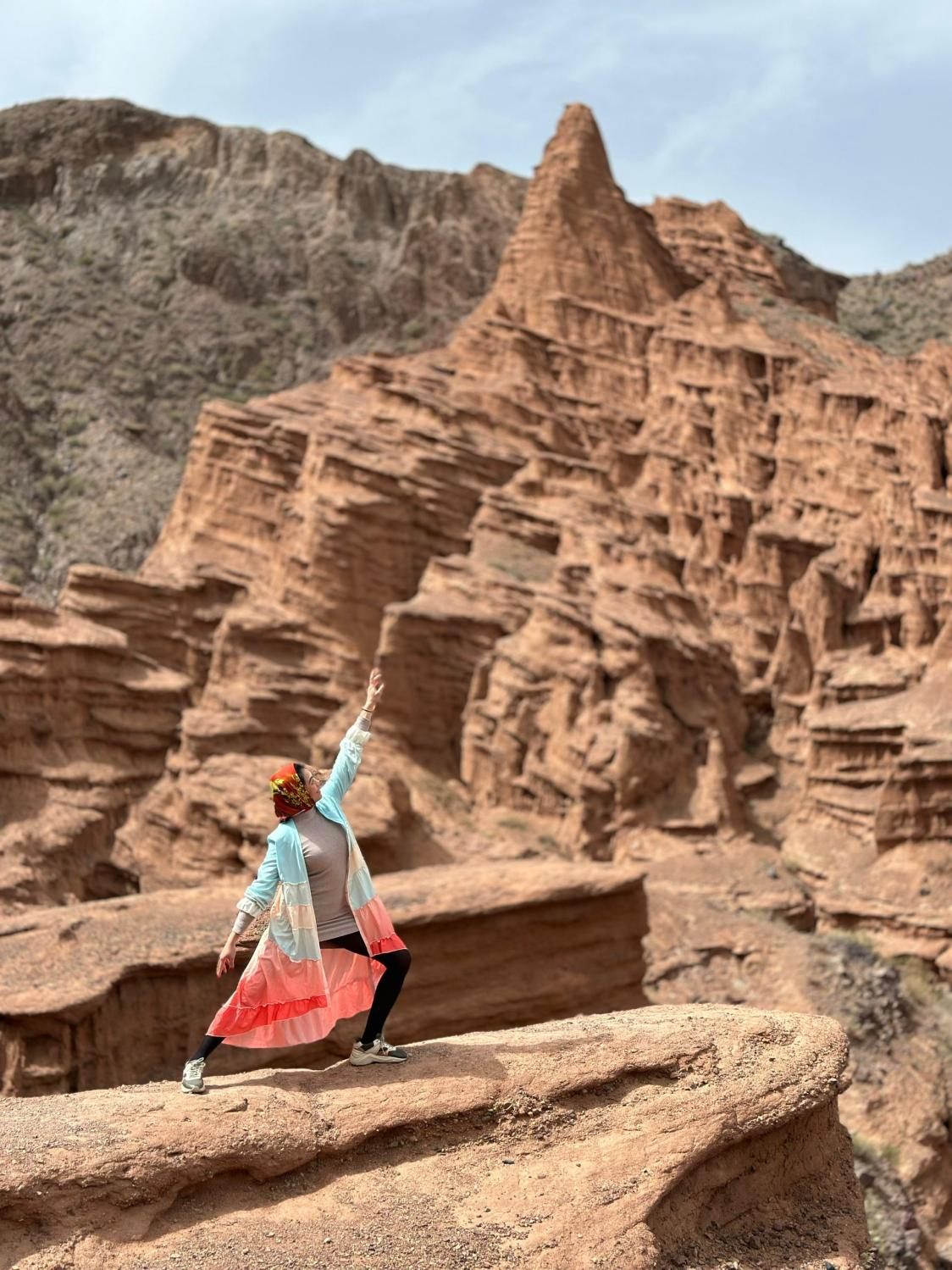
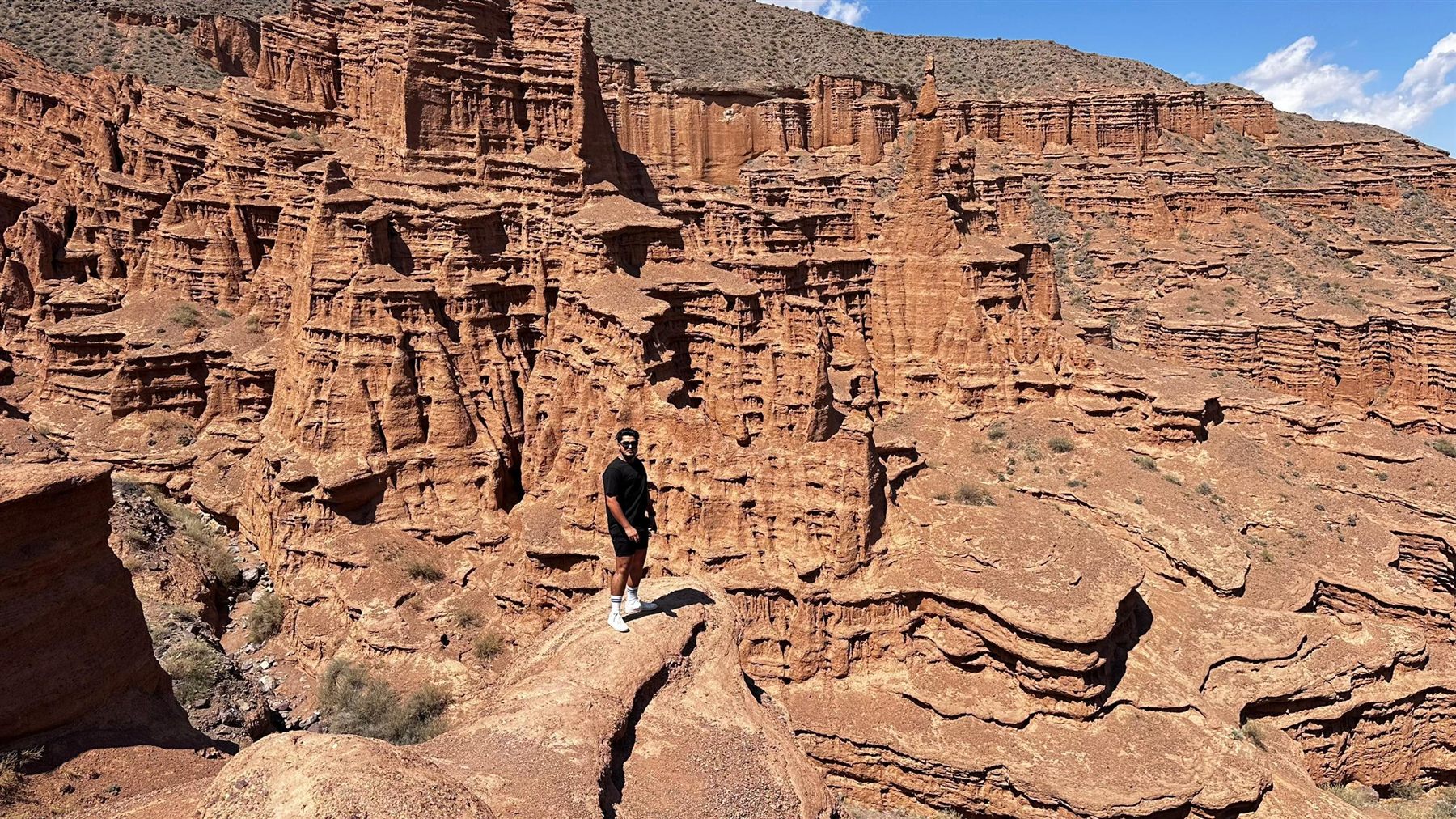
On the way to the lake, in the Boom Gorge about 150 km from Bishkek, are the colourful and quite unique canyons called Kok-Moinok. They are not rock but compacted clay — the bed of an ancient lake, lifted by mountain-building and cut apart by ten thousand years of rain. The result is shapes you do not see in stone canyons: smooth melted ridges, narrow slots with vertical walls, and towers that look like poured wax, in every colour from brick red to yellow and grey.
Walking through the canyons takes approximately 30–35 minutes in one direction depending on your pace, and the difficulty is medium.
How the day runs
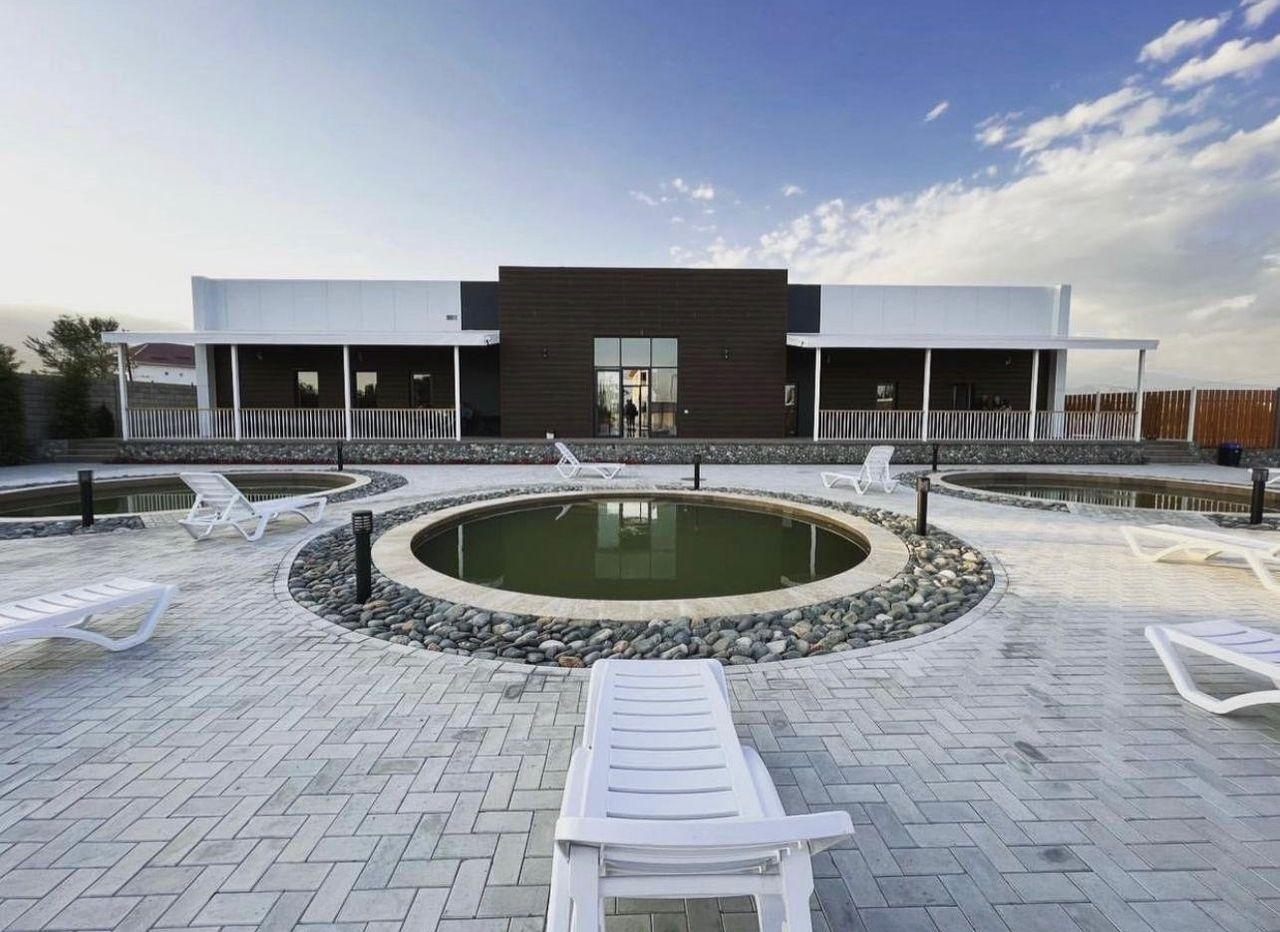
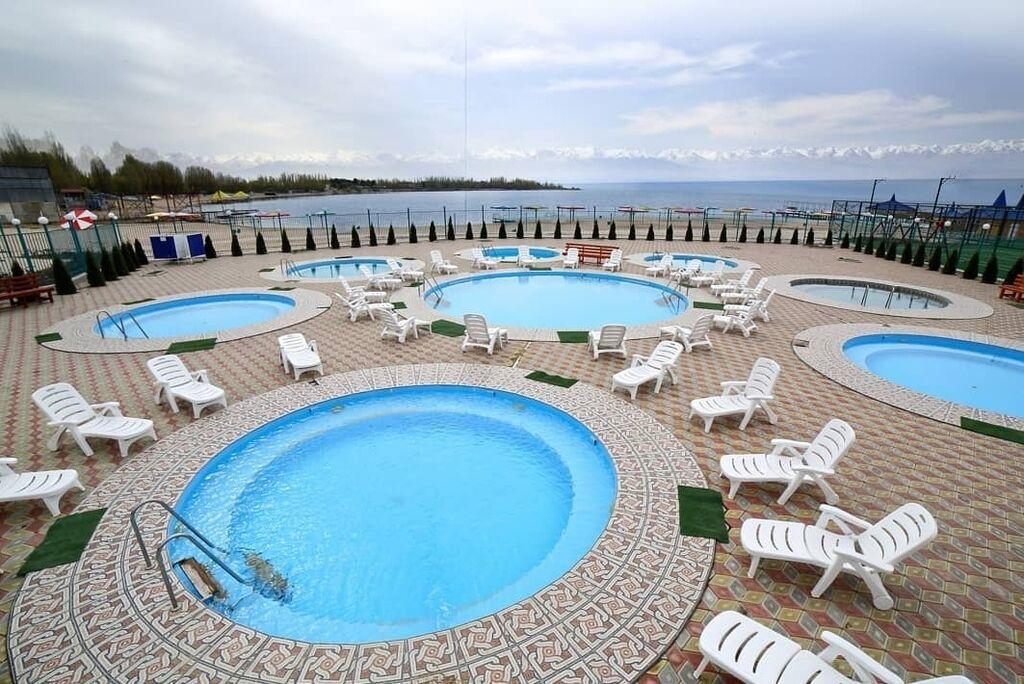
It is a long day — 12 to 14 hours in total — but almost all of the distance is covered while you are comfortable in the vehicle. We stop at the canyons in the late morning, have lunch in the town of Balykchy at the western tip of the lake, and spend the afternoon on the shore: swimming from June to September, and the thermal pools whatever the season.
When to come
June to September if you want to swim — the water reaches 20–22 °C, and warmer in the shallow bays. May and October are for the landscape rather than the beach: empty, clear, and the relief on the slopes reads more sharply without the summer haze.